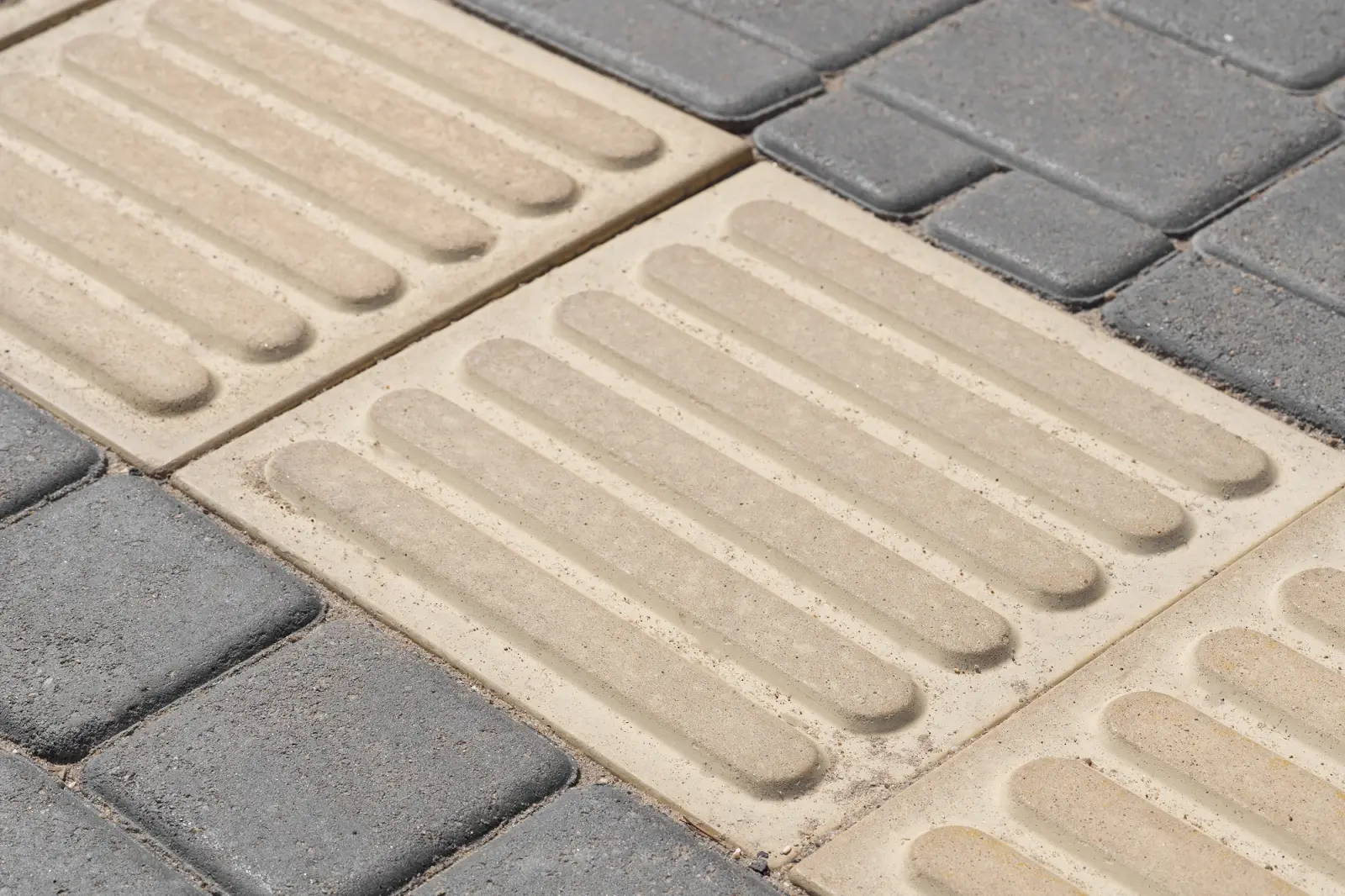
Interlocking Tiles – The Ultimate Guide
A complete breakdown of types, benefits, installation, and maintenance of interlocking tiles
Interlocking tiles are now one of the most popular flooring solutions for homes, commercial buildings, factories, gyms, and outdoor areas. They have an incredible lock-in component, are simple to lay, have great durability, and offer excellent visual appeal, making them a number one choice for all flooring applications, particularly if you want a long-lasting flooring solution for less money.
In this complete guide, you will learn about interlocking tiles in every detail - types, benefits, usage, installations, maintenance, and why they represent a smart purchase option.
What Are Interlocking Tiles?
Interlocking tiles are specially designed tiles allowing them to lock with each other with built-in nail/lock edges, like a puzzle. You get to skip the cement/adhesive/difficult flooring steps that usually accompany standard tiles with their built-in locking edge. Interlocking tiles require no glue or complicated flooring prep, and what permits you to install them is simply align and lock them together.
Interlocking tiles are available in tile product construction made of the following -
- PVC (Plastic interlocking Tiles)
- Rubber Interlocking tiles
- Concrete Interlocking Tiles
- Wood-finish Interlocking Tiles
- Polypropylene Outdoor Interlocking Tiles
Each type is manufactured to the same specifications for the nearness of the respective spaces (i.e., indoor or outdoor).
Why Are Interlocking Tiles So Popular?
1. Quick & Easy Installation
One of the best benefits is the easy DIY installation. There is no need for skilled labor.During installation, simply lay the tiles on a flat surface and lock them together. In just minutes, you will have your floor down.
2. Durable & Long Lasting
Interlocking tiles are meant to take abuse. They withstand:
- Heavy foot traffic
- Moisture and water
- Heavy equipment or machiner
- UV rays (outdoor tiles)
- Everyday wear and tear
This is what makes them great for homes, gyms, garages, and commercial spaces.
3. Slip Resistant & Safe
Most interlocking tiles come with an anti-slip texture. This is really important for wet areas, like:
- Bathrooms
- Poolside
- Balconies
- Outdoor walkways
4. Almost No Upkeep
Interlocking tiles require almost no upkeep. To maintain your floor, just sweep it and wash it. No polishing, no sealing, and no special cleaning products.
5. Stylish & Contemporary Look
Interlocking tiles come in many colors, designs and textures. For example:
- Wood grain
- Marble finish
- Stone texture
- Rubber grip texture
- Outdoor drainage pattern
This allows you to match the tiles with your interior or exterior theme.
6. Eco-Friendly Materials
Many interlocking tiles are made from recyclable materials, making them a sustainable choice.
7. Easy to Replace
If one tile is damaged, you can replace just that piece—no need to remove the whole floor.
Types of Interlocking Tiles

1. PVC Interlocking Tiles
Best for indoor use. These tiles are lightweight, waterproof, comfortable to walk on, and available in many designs.
2. Rubber Interlocking Tiles
Perfect for gyms, kids’ play areas, and garages. They provide excellent shock absorption and sound-proofing.
3. Concrete Interlocking Tiles
Ideal for outdoor spaces and heavy-duty areas. These tiles are extremely durable and can handle high loads.
4. Outdoor Drainage Interlocking Tiles
These tiles come with holes/gaps for water drainage, making them great for balconies, gardens, and swimming pool areas.
5. Wooden Interlocking Deck Tiles
Used for balconies, terraces, and patios. They give a premium wooden deck look without the high maintenance.
Where Can You Use Interlocking Tiles?
- Home Areas
- Commercial Spaces
- Industrial Use
- Fitness & Sports Areas
- Outdoor Applications
How to Install Interlocking Tiles (Step-by-Step)
- Clean the surface — Make sure the floor is clean, dry, and even.
- Start from one corner — Begin installing tiles from one corner of the room.
- Align and lock — Place the tile and press the edges until it locks with the previous tile.
- Cut tiles if needed — Use a cutter to shape tiles for wall edges and corners.
- Complete the layout — Continue locking tiles until the area is fully covered.
- Finish with edge trims (optional) — Edge trims give your flooring a neat and professional look.
How to Maintain Interlocking Tiles
- Sweep daily to remove dust.
- Wash with mild soap and water.
- Avoid using strong acids or harsh chemicals.
- Replace damaged tiles immediately.
- Use floor mats in heavy load areas for extra protection.
Advantages of Interlocking Tiles at a Glance
- Fast, no-mess installation
- Very affordable
- Sturdy and long-lasting
- Waterproof and stain-resistant
- Wide selection of designs
- Great for indoor and outdoor use
- Easy to remove and replace, if needed
- Perfect for DIY home improvement in design, color and/or pattern.
- Easy to remove and replace
- Great for DIY home improvement
Conclusion
Interlocking tiles are a fantastic option for someone seeking a sturdy, attractive, and low-maintenance flooring alternative. Whether you are remodeling your home, designing a gym, or revamping your outside area, interlocking tile provides long-lasting durability, safety, and style for a reasonable price. They are easy to install, easy to clean, and will last forever, making interlocking tiles a smart long-term investment.

