
Brass Plumbing Fittings: A Complete Guide for Home and Commercial Use
Brass Plumbing Fittings: A Complete Guide for Home and Commercial Use
Brass plumbing fittings are essential components in both residential and commercial plumbing systems. Known for their durability, corrosion resistance, and versatility, brass fittings are widely used for connecting pipes, controlling water flow, and ensuring leak-free plumbing systems. Understanding their types, benefits, and applications can help you make better decisions for your plumbing projects.
What Are Brass Plumbing Fittings?
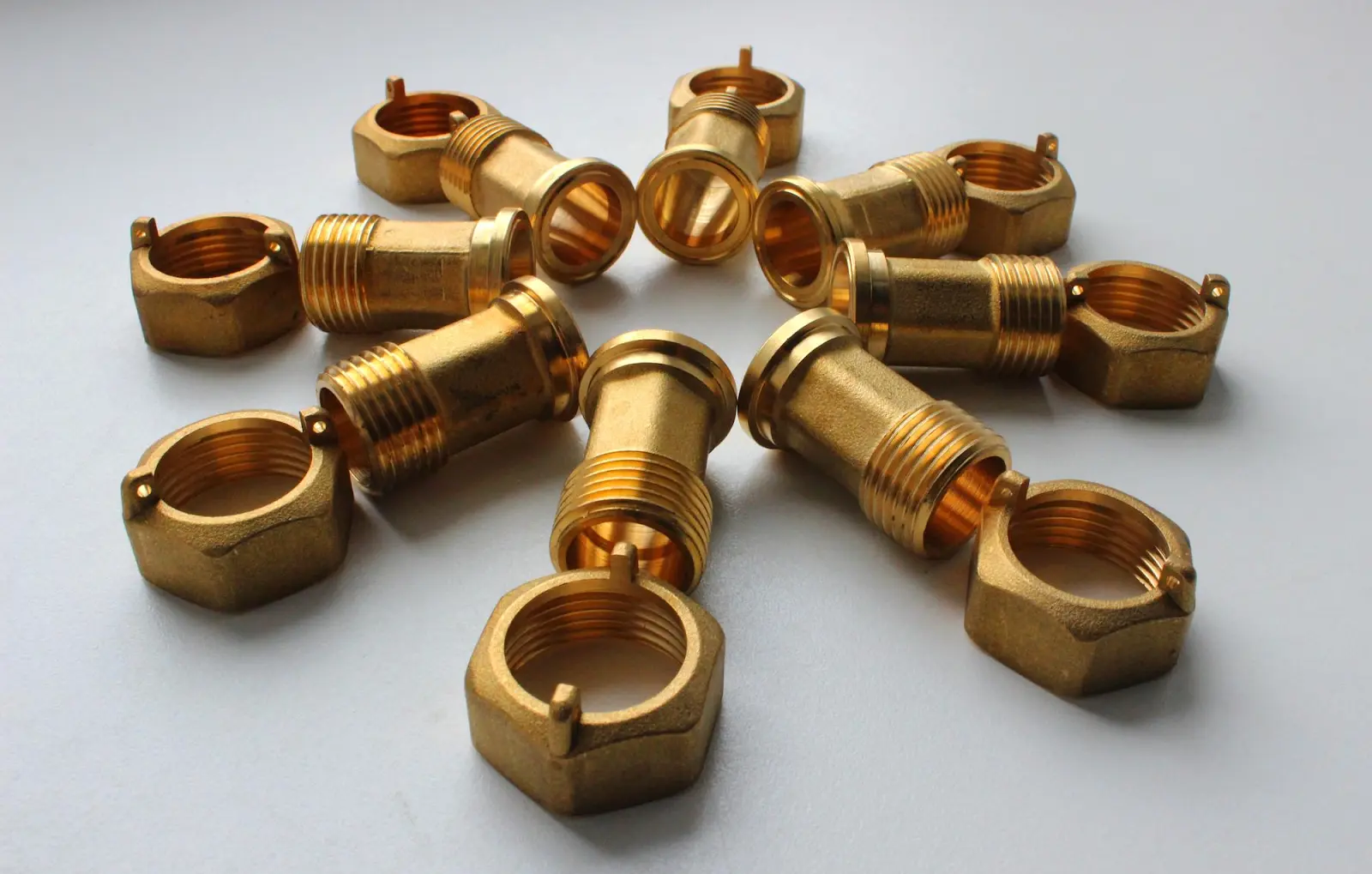
Brass plumbing fittings are components made from an alloy of copper and zinc. This combination gives the fittings strength, corrosion resistance, and high durability, making them ideal for water supply lines, gas pipes, and other plumbing systems. Brass fittings are commonly used for both hot and cold water systems and are compatible with multiple piping materials, including copper, PEX, and CPVC.
Brass fittings come in a wide range of shapes and sizes, allowing homeowners, contractors, and plumbers to connect pipes efficiently and safely.
Types of Brass Plumbing Fittings
- Elbow Fittings
Elbows allow pipes to change direction, typically at 90° or 45° angles. Brass elbows are durable and resistant to high temperatures and pressure, making them suitable for residential and industrial plumbing systems.
- Tee Fittings
Tee fittings connect three pipes and are used to split water flow or combine lines. Brass tees are ideal for water supply systems where durability and leak prevention are priorities.
- Couplings and Unions
Couplings connect two pipes in a straight line.
Unions allow easy disconnection for maintenance or replacement. Both types made of brass ensure longevity and prevent corrosion.
- Reducers
Reducers connect pipes of different diameters. Brass reducers are strong, resistant to pressure, and prevent leaks at the junction of varying pipe sizes.
- Caps and Plugs
Caps close off the end of a pipe.
Plugs fit inside a pipe for temporary or permanent sealing. Brass caps and plugs are corrosion-resistant and durable, ideal for both indoor and outdoor plumbing systems.
- Valves and Specialty Fittings
Brass valves, such as ball valves, check valves, and angle valves, are widely used to control water flow. Specialty fittings like adapters, bushings, and compression fittings are also available in brass for specific applications.
Benefits of Using Brass Plumbing Fittings
- Durability – Brass fittings resist corrosion, rust, and wear, making them ideal for long-term plumbing projects.
- Leak Resistance – Precision manufacturing and corrosion resistance reduce the risk of leaks.
- High Temperature and Pressure Tolerance – Suitable for hot water systems and high-pressure lines.
- Versatility – Compatible with various pipe materials like copper, PEX, and CPVC.
- Low Maintenance – Brass fittings require minimal maintenance due to their corrosion resistance.
- Eco-Friendly – Brass is recyclable, making it a sustainable choice for plumbing systems.
Applications of Brass Plumbing Fittings
- Residential Water Supply – Bathrooms, kitchens, laundry rooms, and garden irrigation systems.
- Commercial Plumbing – Offices, restaurants, hotels, and industrial facilities.
- Gas Piping Systems – Brass fittings are safe for certain low-pressure gas lines.
- Industrial Applications – Boilers, pumps, and high-pressure water systems.
Brass fittings are often preferred in situations where longevity and reliability are critical. Their strength ensures that they withstand everyday wear and tear, extreme temperatures, and water pressure fluctuations.
Installation Tips for Brass Plumbing Fittings
- Use proper sealing techniques such as PTFE tape or pipe dope for threaded connections.
- Avoid over-tightening, as this can damage threads or cause leaks.
- Inspect for corrosion or wear periodically, especially in older plumbing systems.
- Ensure compatibility with the pipe material to prevent galvanic corrosion.
For related home service solutions and tips, check out this expert guide on glass cutting services
Brass Plumbing Fittings vs Other Materials
| Feature | Brass | PVC | Copper | Stainless Steel |
|---|---|---|---|---|
| Durability | High | Medium | High | Very High |
| Corrosion Resistance | Excellent | Excellent | Good | Excellent |
| Heat Resistance | High | Low-Medium | High | High |
| Cost | Moderate | Low | High | Very High |
| Maintenance | Low | Low | Medium | Low |
Brass fittings strike a balance between durability, cost, and versatility, which is why they are commonly chosen over other materials for most plumbing applications.
Choosing the Right Brass Plumbing Fittings
When selecting brass fittings, consider:
- Type of Connection – Threaded, compression, or soldered.
- Pipe Compatibility – Ensure fittings match your pipe material.
- Water Pressure & Temperature – Choose fittings rated for your system’s requirements.
- Project Scale – Residential, commercial, or industrial usage determines the size and type of fittings needed.
For detailed technical information, you can refer to external resources on brass plumbing fittings.
Conclusion
Brass plumbing fittings are reliable, versatile, and durable components that improve the efficiency and safety of water supply and drainage systems. From elbows and tees to valves and reducers, brass fittings ensure long-lasting plumbing performance with minimal maintenance. Proper installation, regular inspection, and choosing the right type of fitting are key to achieving a leak-free, efficient plumbing system.
Whether you’re upgrading your home plumbing or managing commercial systems, brass fittings provide the durability, corrosion resistance, and reliability needed for modern plumbing needs.

