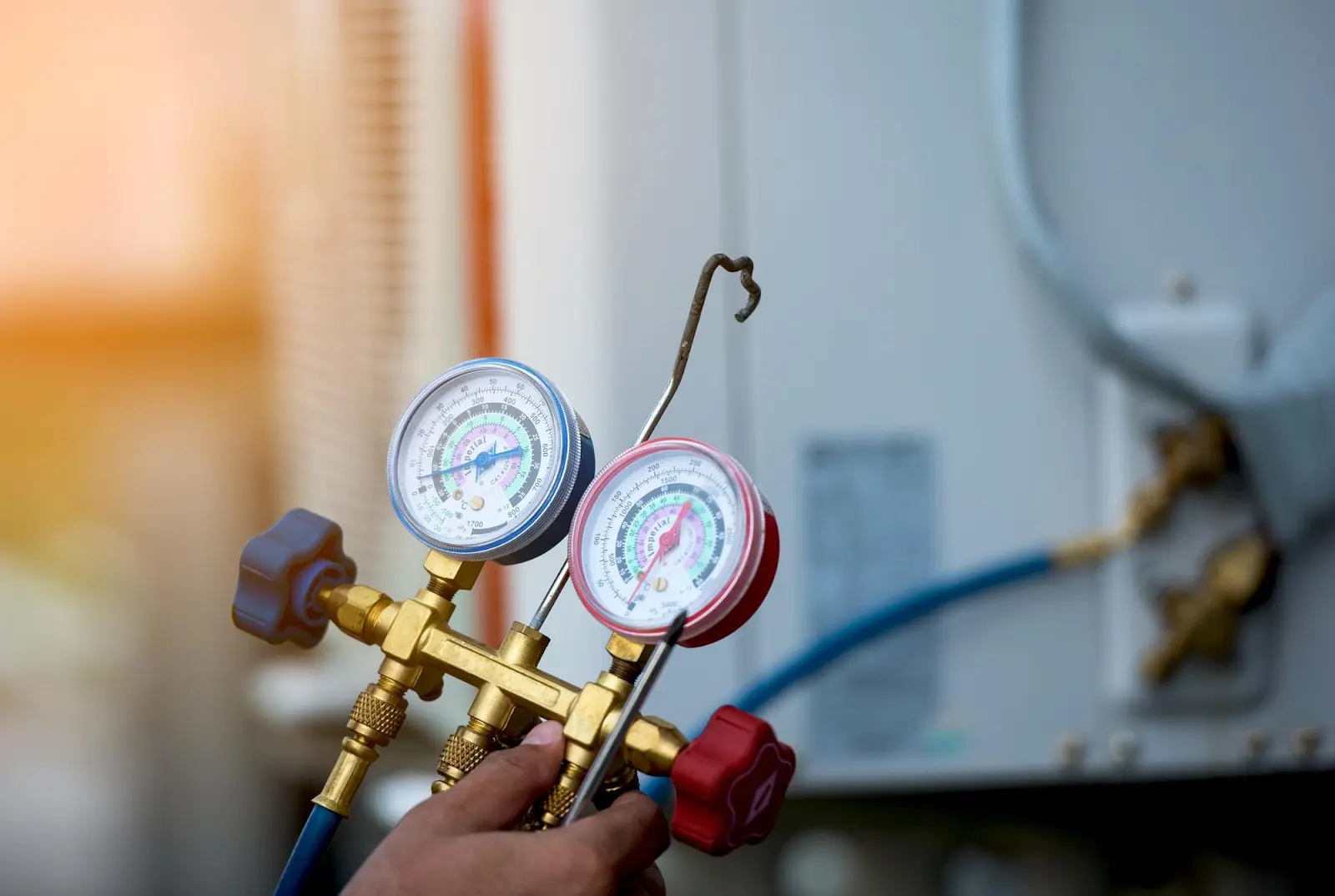
AC Pressure Test: Ensure Your Air Conditioner Is Running Efficiently
Regular maintenance of your air conditioning system is crucial to keep it operating efficiently and to prolong its lifespan. One essential service that ensures optimal performance is the AC Pressure Test. This procedure helps detect leaks, monitor refrigerant levels, and prevent costly breakdowns.
What Is an AC Pressure Test?
An AC Pressure Test is a diagnostic procedure performed on an air conditioning system to measure the pressure of refrigerants within the system. By checking the pressure levels, technicians can identify leaks, blockages, or malfunctioning components. This test is vital for both residential and commercial air conditioning systems to maintain cooling efficiency and prevent system failure.
During the test, a professional technician connects pressure gauges to the AC unit's high-pressure and low-pressure sides. The readings are then compared against the manufacturer’s recommended levels to determine whether the system is operating correctly.
See More:Why Is an AC Pressure Test Important?
- Detect Leaks – Low refrigerant pressure often indicates a leak that needs immediate attention.
- Improve Efficiency – Proper pressure ensures the system cools effectively, saving energy costs.
- Prevent Damage – Running an AC with incorrect pressure can damage compressors and other components.
- Extend AC Lifespan – Timely pressure checks prevent unnecessary wear and tear.
- Regulatory Compliance – Ensures refrigerants are used safely and environmentally responsibly.
How an AC Pressure Test Is Performed
- Turn Off the AC – The system is powered down to ensure safety during testing.
- Connect Gauges – High-pressure and low-pressure gauges are connected to the AC unit.
- Measure Pressure – The system is turned on, and pressure readings are recorded.
- Compare with Standards – Readings are compared to manufacturer specifications.
- Diagnose Issues – Low or high readings help identify leaks, blockages, or overcharged refrigerant.
- Repair and Recharge – If issues are found, the technician will repair leaks and recharge the refrigerant to optimal levels.
Common Causes of Incorrect AC Pressure
- Refrigerant Leaks – Most common cause of low pressure.
- Blocked Condenser Coils – Restrict refrigerant flow, causing abnormal pressure readings.
- Compressor Issues – Can lead to fluctuating or uneven pressure.
- Improper Refrigerant Charge – Overcharging or undercharging affects system efficiency.
- Clogged Filters or Valves – Restrict airflow and impact system performance.
Benefits of Regular AC Pressure Testing
- Cost Savings – Detecting small leaks early prevents major repairs.
- Energy Efficiency – Correct pressure reduces energy consumption.
- Reliable Cooling – Ensures the AC provides consistent cooling, even during peak heat.
- Preventative Maintenance – Helps schedule timely maintenance, avoiding emergency repairs.
- Environmental Protection – Proper handling of refrigerants reduces environmental impact.
For related professional services, you can also explore expert glass cutting and home solutions https://www.akservicesltd.com/blogs/expert-glass-cutting-service-custom-solutions-for-your-home-business/that complement HVAC installations and home improvement projects.
Choosing a Professional AC Pressure Test Service
When selecting a service provider, consider:
- Experience and Certification – Certified HVAC technicians ensure safe and accurate testing.
- Tools and Equipment – Professionals use calibrated gauges and leak detection tools.
- Transparent Pricing – Choose services that provide clear pricing without hidden fees.
- Maintenance Packages – Some providers offer full AC maintenance along with pressure testing for ongoing care.
- Emergency Support – Reliable services provide quick repairs if issues are found during the test.
FAQs About AC Pressure Test
Q1: How often should I get an AC pressure test? A: It is recommended to perform an AC pressure test at least once a year, ideally before the summer season when the system is used most frequently.
Q2: Can I perform an AC pressure test myself? A: While DIY kits exist, it is safer and more accurate to have a certified HVAC technician perform the test due to handling refrigerants and complex system components.
Q3: What does low pressure in my AC mean? A: Low pressure usually indicates a refrigerant leak, clogged filter, or malfunctioning compressor. Immediate attention is necessary to prevent further damage.
Q4: Can an AC pressure test fix my air conditioner? A: The test itself diagnoses the problem. Repairs such as fixing leaks or recharging refrigerant are done after the test.
Q5: Does an AC pressure test affect my electricity bill? A: No, the test itself uses minimal electricity. However, identifying and fixing pressure issues can improve energy efficiency, potentially lowering bills.
Q6: What are the signs I need an AC pressure test? A: Reduced cooling efficiency, unusual noises, frequent cycling, or higher energy bills are indicators that your AC might need a pressure test.
Q7: How long does an AC pressure test take? A: Typically, the test takes 30–60 minutes depending on the system size and whether repairs are needed.
Conclusion
An AC Pressure Test is a critical step in maintaining a reliable and efficient air conditioning system. By detecting leaks, ensuring proper refrigerant levels, and identifying system issues early, it prevents costly repairs and enhances cooling performance. Regular testing not only improves energy efficiency and prolongs the life of your AC but also ensures a safe and comfortable indoor environment. Hiring professional technicians guarantees accurate diagnostics, proper repair, and peace of mind.

